
Job Responsibilities of a CNA: Complete Guide to What Certified Nursing Assistants Do
If you’re considering a healthcare career, understanding the job responsibilities of a CNA is your essential first step. Certified nursing assistants serve as the backbone of patient care, spending more hands-on time with patients than almost any other healthcare professional. This guide breaks down exactly what CNAs do daily, where they work, and how to get started in this rewarding field.
Key Takeaways
- Certified nursing assistants assist patients with activities of daily living (ADLs) including bathing, grooming, toileting, eating, and mobility while working under the supervision of registered nurses or licensed practical nurses
- Core CNA responsibilities include taking vital signs, monitoring patient conditions, maintaining clean environments, documenting care in electronic health records, and communicating changes to the nursing staff
- CNAs work across diverse healthcare settings including nursing homes, hospitals, assisted living facilities, and home health care services
- The U.S. Bureau of Labor Statistics identifies nursing care facilities and hospitals as the primary employers of certified nursing assistants
- Northeast Medical Institute in Connecticut provides state-approved CNA training and certification prep aligned with these job duties, offering a pathway to careers as patient care technicians, LPNs, or RNs
What Is a CNA? (Certified Nursing Assistant Overview)
A certified nursing assistant is an entry-level healthcare worker who delivers basic hands-on care under the supervision of registered nurses or licensed practical nurses. CNAs support patients with everyday needs like bathing, eating, mobility, and toileting while monitoring comfort and safety throughout each shift.
The CNA role formalized in the U.S. during the 1980s through federal legislation that established training and certification standards. Today, CNAs work closely with patients and family members, often becoming the primary point of day-to-day contact in nursing homes, hospitals, and home health settings.
This position serves as a launching pad for further nursing education and advanced clinical roles. Many healthcare professionals begin as nursing assistants before pursuing LPN or RN credentials, and understanding the full meaning and scope of the CNA role can help clarify long‑term career pathways. A college degree is not required to become a certified nursing assistant (CNA), but pursuing a bachelor’s degree in nursing, health sciences, or public health can enhance career advancement opportunities. Northeast Medical Institute trains Connecticut students for these responsibilities through state-approved CNA training programs that combine classroom instruction with supervised clinical hours.
Core CNA Job Responsibilities and Daily Duties
The CNA job description encompasses a wide range of tasks that directly impact patient wellbeing. Here are the primary responsibilities that appear across most healthcare facilities:
Activities of Daily Living (ADLs)
- Bathing and hygiene assistance
- Grooming and dressing support
- Toileting and continence care
- Feeding assistance and meal preparation
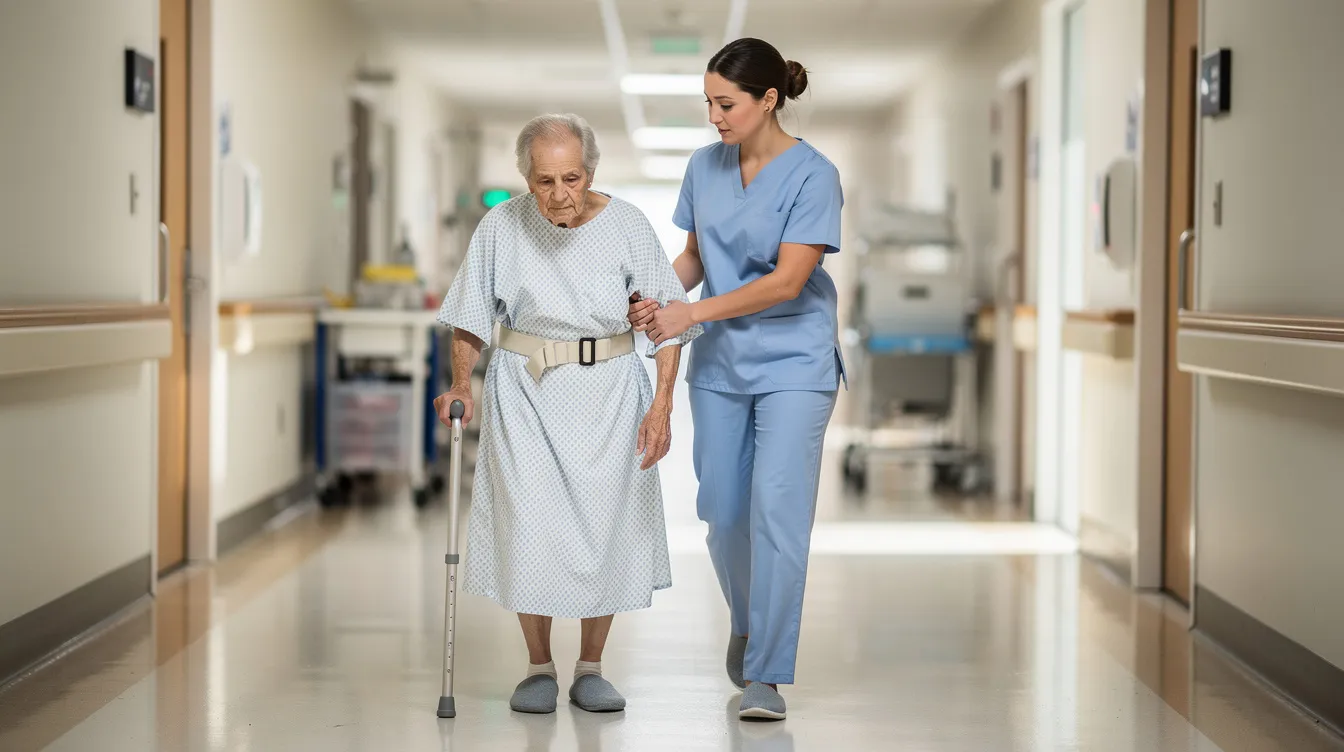
- Mobility and transfer assistance
Clinical Tasks
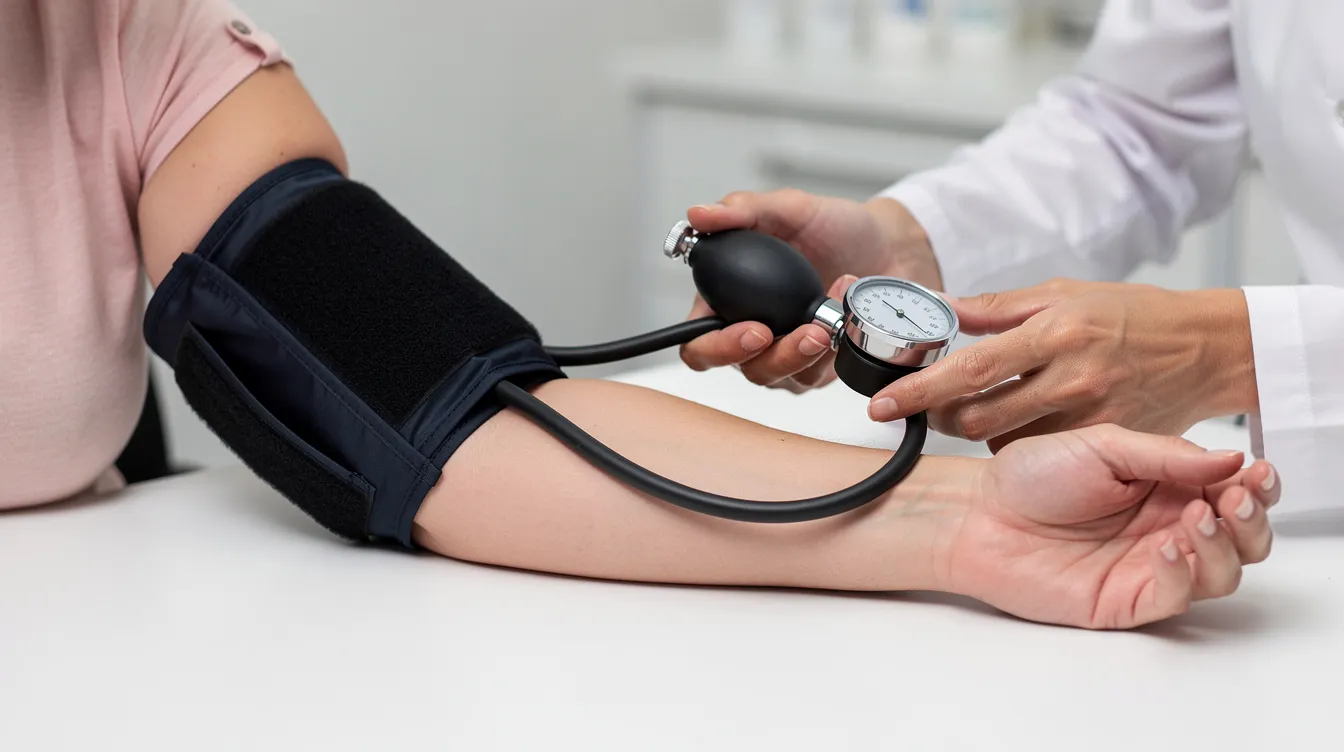
- Taking patients vital signs (blood pressure, pulse, respirations, temperature, oxygen saturation)
- Recording intake and output measurements
- Observing and reporting any physical or behavioral changes in a patient’s condition
Environmental Responsibilities
- Maintaining clean and sanitized patient rooms
- Changing soiled sheets and linens
- Making occupied and unoccupied beds
- Reducing fall risks and maintaining safety
CNAs are responsible for taking vital signs, including measuring blood pressure, pulse, and temperature, and reporting their findings to a supervisor. Documentation duties require accurately charting vital signs, food and fluid intake, elimination patterns, and changes in patient condition using paper or electronic health records.
Communication forms a critical part of daily duties. CNAs frequently relay observations to nurses, including pain changes, skin issues, confusion, or behavior changes that may signal deterioration.
Providing Personal Care and Activities of Daily Living (ADLs)
ADL assistance sits at the heart of the CNA role and occurs during nearly every shift. CNAs spend significant time assisting patients with Activities of Daily Living, which include personal hygiene, mobility, and nutrition.
Bathing and Hygiene
- Sponge baths for bedridden patients
- Shower assistance with safety equipment
- Oral care, denture care, hair washing, shaving, and nail care following facility policies
- Assessing skin for breakdown during bathing, noting any redness or pressure areas
Grooming and Dressing
- Helping patients select appropriate clothing
- Assisting those with limited mobility
- Preserving privacy and dignity throughout the process
- Using adaptive techniques for patients with arthritis or other conditions
Toileting and Continence Care
- Assisting to the bathroom or commode
- Managing bedpans and urinals
- Providing perineal care
- Following bladder and bowel programs for patients with specific needs
Feeding Assistance
- Preparing meal trays
- Assisting patients who cannot feed themselves
- Following appropriate diet prescriptions such as pureed textures, low-sodium options, or accommodations for food allergies
- Observing swallowing difficulties or appetite changes and promptly reporting to nursing staff
Clinical Support: Vital Signs, Observation, and Medical Equipment
While CNAs are not nurses, they perform critical basic clinical tasks that inform nursing decisions and treatment plans.
Monitoring Duties
- Record vital signs at scheduled intervals (typically every 4 hours for stable patients, hourly post-surgery)
- Monitor oxygen saturation levels
- Track and document fluid intake and output
CNAs assist with basic medical tasks like wound care, catheter care, and inventory management of medical supplies. In addition to providing personal care, CNAs maintain a clean and sanitized environment by changing soiled sheets, cleaning spills, and reducing the spread of infection.
Observation Responsibilities
- Watch for skin integrity changes (pressure injuries, redness)
- Note level of consciousness or mood changes
- Monitor mobility and report concerns immediately
Medical Equipment Handling
- Work with wheelchairs, walkers, mechanical lifts, bed rails, and over-bed tables, ensuring correct use and safety
- In some settings, assist with oxygen equipment or blood glucose monitoring depending on state scope of practice
Infection Control
- Proper hand hygiene
- Using gloves and gowns appropriately
- Following isolation precautions
- Cleaning frequently touched surfaces
Emotional Support, Communication, and Family Interaction
CNA responsibilities extend beyond physical care to encompass emotional support and meaningful relationships with patients.
CNAs provide companionship and emotional support to patients, helping to reduce feelings of loneliness or anxiety. This includes offering reassurance, listening to patients concerns, providing comfort during procedures, and simply being present during difficult moments.
As part of the healthcare team, CNAs often act as liaisons by relaying patient questions to nurses and physicians when patients are hesitant to speak up. Communication skills are essential for this bridging role.
When interacting with family members, CNAs provide basic updates about daily routines, answer non-medical questions, and direct clinical questions to the appropriate medical staff. Maintaining professionalism, patient privacy, and HIPAA-compliant communication remains critical when speaking with visitors.
Where CNAs Work and How Job Duties Vary by Setting
Certified nursing assistants can work in a variety of healthcare settings, including hospitals, nursing homes, assisted living facilities, and home health care services. While core responsibilities remain consistent, the focus shifts based on workplace type.
| Setting | Primary Focus | Typical Responsibilities |
|---|---|---|
| Nursing Homes | Chronic care, routines | Long-term relationships, dementia care, daily ADLs |
| Hospitals | Acute care, turnover | Frequent vital signs, transfers, post-surgical support |
| Assisted Living | Independence support | Light assistance, medication reminders, social activities |
| Home Health | One-on-one care | Housekeeping, meal prep, equipment management |
| Rehabilitation Centers | Recovery focus | Mobility training, therapy support, progress monitoring |
| CNAs account for over one-third of the nursing home workforce, highlighting their significant role in long-term care environments. In continuing care retirement communities and residential care facilities, nursing aides often build lasting connections with residents, reflecting how certified nursing assistants are a crucial part of the medical field. | ||
| Hospital settings demand more frequent measuring vital signs and the ability to transport patients quickly between departments. Home health CNAs may handle light housekeeping and safe meal preparation while maintaining infection control standards. |
Shift work varies widely—days, evenings, nights, weekends, and holidays all require coverage, making flexibility important for healthcare professionals in this field.
Skills and Qualities Needed to Succeed as a Nursing Assistant
Success as a CNA depends on both technical proficiency and personal qualities that support quality care, and developing the top essential skills for nursing assistant success can make day‑to‑day responsibilities more manageable.
Technical Skills
- Accurate vital sign measurement
- Safe transfer and lifting techniques
- Infection control practices
- Basic medical terminology
- Documentation in electronic health records
Soft Skills
- Communication skills for patients, families, and other healthcare workers
- Patience and empathy
- Active listening
- Positive attitude during challenging situations
- Ability to provide emotional support
Physical Requirements
The job requires physical demands, such as long hours on their feet and the ability to lift patients. CNAs average 10,000 steps per shift and regularly lift 35-50 pounds. Proper body mechanics training during CNA classes helps prevent injuries.
Time management proves essential when caring for multiple patients while responding to call lights and completing documentation promptly; strong study habits and clinical practice strategies during CNA training lay the groundwork for these abilities.
Education, CNA Training, and CNA Certification Requirements
Becoming a certified nursing assistant follows a straightforward pathway from training to certification.
Baseline Requirements To become a Certified Nursing Assistant, individuals must possess at least a high school diploma or GED and successfully complete a state-approved CNA training program. Most states require candidates to be 16-18 years old and pass a criminal background check, following steps similar to those outlined in this step-by-step guide on how to become a nursing assistant.
Training Programs CNA training programs are commonly offered at community colleges, vocational schools, hospitals, and organizations like the American Red Cross. These programs typically last between four to eight weeks and include both classroom instruction and hands-on clinical training, mirroring the structure described in guides to mastering certified nurse assistant training. Common topics include:
- Patient safety and infection control
- Anatomy basics and medical procedures
- Taking vital signs and documentation
- CPR certification
- Communication and professionalism
Certification Process After completing their training, aspiring CNAs must pass a state exam to demonstrate their competency and qualify for inclusion on their state’s CNA registry. The exam typically includes written and skills demonstration components.
Northeast Medical Institute in Connecticut offers short-term CNA classes, exam preparation, and support for students preparing for the state nurse aide competency evaluation. Programs can be completed through hybrid and evening class formats to accommodate working students.
CNA Career Outlook, Advancement, and How Northeast Medical Institute Can Help
Demand for nursing assistants continues growing due to aging populations and increasing chronic conditions. According to the U.S. According to the Bureau of Labor Statistics, nursing assistants and orderlies earn an average of $18.33 per hour, which amounts to approximately $38,200 annually. The median annual salary for a certified nursing assistant is $39,530, according to the BLS, aligning closely with recent CNA salary insights and earnings guides.
CNA wages may depend on the individual’s experience and background, the position’s location, and the facility type, with average salaries reported at $20.29 per hour according to Indeed. Full-time and part-time positions offer flexibility across healthcare facilities, and broader CNA job descriptions, salary, and career guides can provide additional context for planning your path.
Advancement Opportunities
| Role | Additional Training | Expanded Responsibilities |
|---|---|---|
| Patient Care Technician | EKG, phlebotomy | Blood draws, cardiac monitoring |
| Licensed Practical Nurse | 12-18 month program | Medication administration, care planning |
| Registered Nurse | Associate or bachelor’s degree | Full scope nursing practice |
CNA experience provides a foundation in bedside care, communication, and teamwork valuable for career advancement in healthcare.
Northeast Medical Institute offers related programs including Phlebotomy certification, EKG Technician courses, Patient Care Technician training, and CPR/BLS certification through its fast-track medical training programs in Connecticut. These vocational and technical schools provide continuing education pathways for graduates seeking broader responsibilities.
Connecticut residents can contact Northeast Medical Institute for program dates, hybrid and evening class options, and information on financial assistance or WIOA funding, including potential eligibility for free CNA training courses in Connecticut.
FAQ: Job Responsibilities of a CNA
Are CNAs allowed to give medications as part of their job duties?
In most states, CNAs cannot dispense medication as part of their standard scope of practice. However, some facilities employ specially trained medication aides who complete additional certification (typically 40 hours) to handle limited, non-injectable medication tasks. Medication responsibilities vary significantly by state law and employer policy. Always check local regulations or ask your nursing supervisor to understand which medication-related tasks are permitted in your state.
What does a typical shift look like for a CNA in a nursing home?
A typical shift begins with taking initial vital signs and assisting residents with morning care and breakfast. Mid-morning involves toileting, repositioning bedridden patients, and supporting recreational activities. Afternoon shifts include lunch assistance, more repositioning, and documentation. Evening CNAs help with dinner, bathing patients, and preparing residents for bed. Night shifts focus primarily on repositioning patients every 2 hours, responding to call lights, safety checks, and morning preparation. Most CNAs manage 8-12 residents per shift.
How much contact do CNAs have with family members of patients?
CNAs frequently interact with family members during visiting hours and serve as principal caregivers for daily updates. They can answer basic questions about routines, comfort, and general wellbeing. However, questions about medical procedures, diagnoses, or treatment plans should be directed to the registered nurse or physician. Maintaining professionalism and following facility policies when sharing information protects both patient privacy and the CNA.
Can CNA responsibilities change after gaining more experience?
Experienced CNAs may take on expanded roles including training new hires, managing more complex patients, or working in specialty units like memory care or rehabilitation. While the legal scope of practice remains consistent, employers often trust experienced nursing aides with mentoring responsibilities or advanced medical equipment operation. Earning additional certifications such as Patient Care Technician or EKG Technician can expand eligible tasks and increase earning potential.
How does Northeast Medical Institute prepare students for real CNA responsibilities?
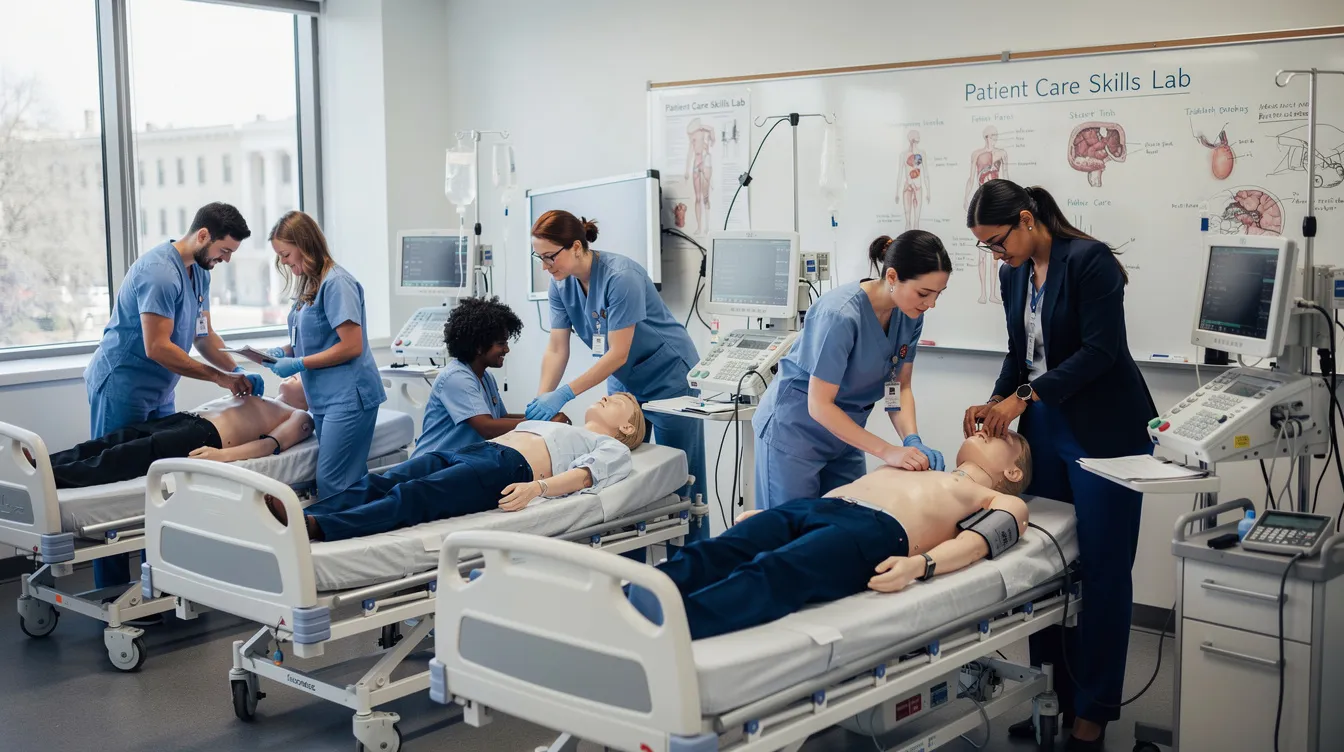
Northeast Medical Institute’s CNA training includes hands-on practice of ADLs, safe transfers, vital signs measurement, and infection control in both simulated and clinical settings. Instructors emphasize technical skills alongside communication, empathy, and professionalism to reflect actual job expectations. Students receive thorough preparation for the Connecticut CNA certification exam and guidance on job searching with local hospitals, nursing homes, and home health agencies. Programs feature hybrid options and potential WIOA funding assistance for qualifying students.