Patient Care Technician Certification: The Complete NHA CPCT/A Guide

What Is a Patient Care Technician and the CPCT/A?
Awarded by the National Healthcareer Association
Get CPCT/A-Ready at NMI
- 208 clock hours, theory online
- Day (about 5 weeks) or evening (about 10 weeks)
- Middlebury · East Hartford · Woodbridge
- $3,807.95 total · WIOA eligible
Upcoming Patient Care Technician (PCT) Classes That Prepare You for This Exam
What Does a Patient Care Technician Do?
Where PCTs work
Key PCT skills
- Patient care and communication
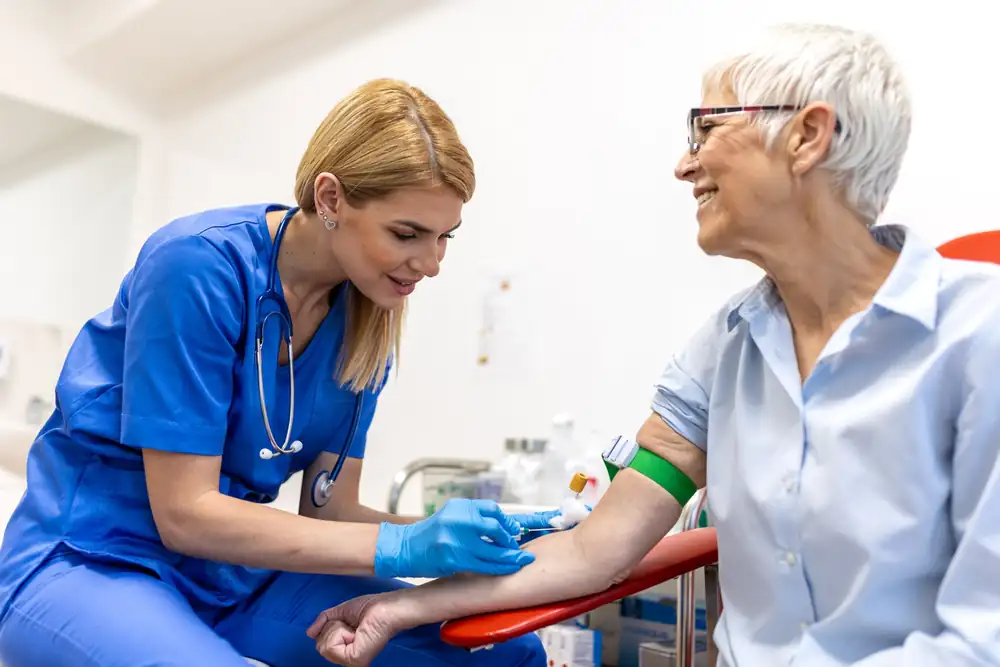
- Phlebotomy and specimen handling
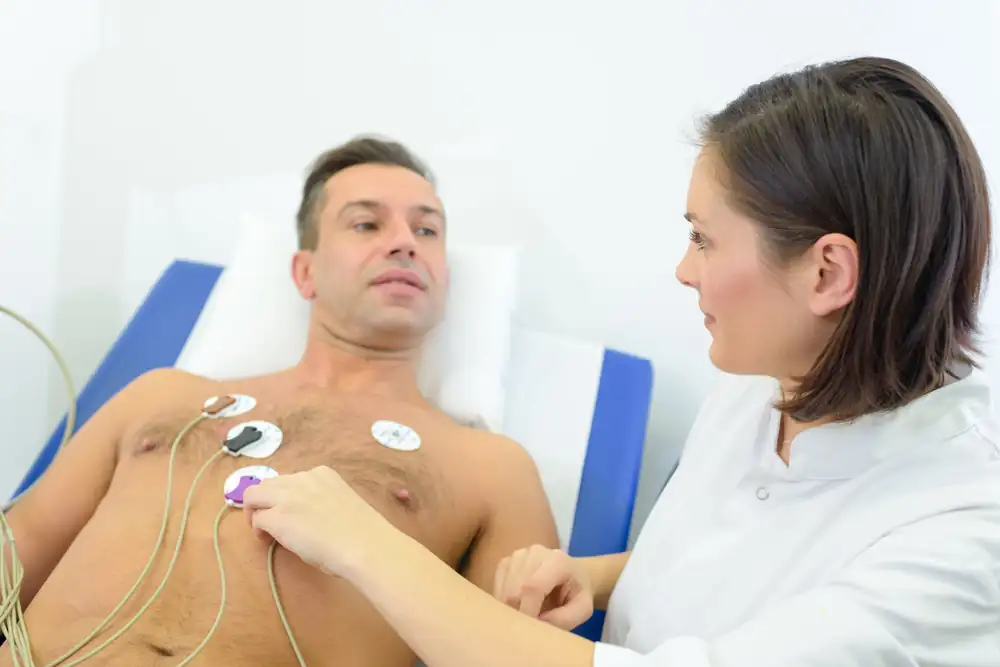
- EKG lead placement and rhythm basics
- Safety, HIPAA and infection control
Who Is Eligible for the NHA CPCT/A Exam?
Pathway 1: Training program
Pathway 2: Work experience
Do you need a set number of skills?
What you'll need to register
- An NHA account in your legal name
- Proof of your diploma or GED (or expected date)
- Your training program or work experience details
- The exam fee
The PCT Certification Exam: Format, Time and Passing Score
| Detail | NHA CPCT/A |
|---|---|
| Number of questions | 120: 100 scored plus 20 unscored pretest questions (you won't know which are which) |
| How long is the PCT exam? | 2 hours |
| Passing score | A scaled score of 390. Scores range from 200 to 500. |
| Question type | Multiple choice |
| Where you take it | At your school, at a PSI testing center, or at home with live remote proctoring |
| Results | Right away at your school (preliminary), or within 48 hours at PSI or online |
| Accreditation | NCCA-accredited |
| Next exam update | New CPCT/A exam launches January 13, 2027 |
What's on the CPCT/A Exam? The 5 Content Areas
Exam weighting
What each area covers
- Bathing, hygiene, feeding and toileting
- Vital signs, intake/output and pain
- Mobility, positioning and transfers
- Catheter, feeding tube and basic wound care
- Emotional support and end-of-life care
- HIPAA, patient rights and abuse reporting
- Patient identification and fall prevention
- Emergency response and equipment safety
- Chain of command and scope of practice
- Venipuncture and capillary puncture
- Order of draw, blood cultures and non-blood specimens
- Labeling, handling and preventing errors
- Managing adverse reactions
- Standard and transmission-based precautions
- Disinfecting equipment and biohazard disposal
- Exposure control, aseptic and sterile technique
- Patient prep and electrode placement
- Recognizing artifact and common dysrhythmias
- Machine settings and maintenance
- Signs of cardiopulmonary compromise
How to Become a Patient Care Technician in 5 Steps
Meet the education rule
Complete PCT training
Register for the CPCT/A
Pass the exam
Get hired and stay certified
CPCT/A Exam Day: What to Bring and What Happens
What to bring
- A government-issued photo ID, such as a driver's license or passport
- It must show your current photo, your signature and a permanent address
- The name on your ID must match your NHA account
- Testing remotely? A computer with a webcam, a stable connection and a quiet, private room
During and after the exam
- You have 2 hours for all 120 questions
- Testing at your school: see a preliminary score as soon as you finish
- PSI center or remote: results post to your NHA account within 48 hours
- When you pass, your certificate goes into your NHA account
How Much Does Patient Care Technician Certification Cost?
Cost to get certified
| NMI Hybrid PCT program (CNA + Phlebotomy + EKG) | $3,807.95 |
| NHA CPCT/A exam | $175.58 |
| NHA CPT (phlebotomy) exam | $137.19 |
| CT CNA state exam (Prometric) | $138 |
| NHA study guide and practice tests | Optional |
Keeping it active
- NHA renewal: $195 every 2 years (about $8 a month) plus 10 CE credits
- Late 30 days to 1 year: $292.50 renewal + $99 reinstatement, and 15 CE credits
- Expired over 1 year: retake the exam
Free PCT certification?
- WIOA funding can cover our PCT program for eligible CT residents
- Some hospitals pay for training or exams for new hires
- Payment plans are available for tuition
Is the PCT Exam Hard? How to Study and Pass
- Download NHA's free test plan and study every task on it
- Put most of your time into patient care, then compliance and safety
- Know the phlebotomy order of draw, tube additives and specimen labeling
- Practice 12-lead placement and spotting artifact on a rhythm strip
- Take NHA's practice tests. The new version (out October 7, 2026) has a baseline test, 4 practice tests with explanations and a timed final simulation.
- Testing near January 2027? Make sure your study materials match the new exam.
How Many Times Can You Take the CPCT/A Exam?
NHA CPCT/A vs. Other PCT Certifications
| Credential | Certifying organization | At NMI |
|---|---|---|
| CPCT/A | National Healthcareer Association (NHA) | Our exam focus: covers patient care, phlebotomy and EKG in one NCCA-accredited exam |
| NCPCT | National Center for Competency Testing (NCCT) | Not our exam focus |
| PCTC | American Medical Certification Association (AMCA) | Not our exam focus |
| PCT | American Medical Technologists (AMT) | Not our exam focus |
PCT vs. CNA: What's the Difference?
| CNA (Certified Nurse Aide) | PCT (Patient Care Technician) | |
|---|---|---|
| Vitals, bathing, feeding, mobility | Yes | Yes |
| Blood draws | No | Yes |
| EKGs | No | Yes |
| Certification | CT state exam (Prometric) and Nurse Aide Registry | NHA CPCT/A (national), usually on top of CNA |
| Typical workplace | Nursing homes, home care, hospitals | Hospitals, ERs, rehab centers, nursing homes |
| Training at NMI | 104 hours · $1,662.95 total | 208 hours · $3,807.95 total (includes CNA) |
Is PCT higher than CNA?
Should I become a CNA or a PCT?
Do You Need a License to Be a PCT in Connecticut?
What CT regulates
- Nurse aide
- Pass the CNA state exam (Prometric) to join the CT Nurse Aide Registry, run by the Department of Public Health
- Dialysis
- Dialysis PCTs need a DPH-approved dialysis certification
What CT doesn't license
- PCT
- No state PCT license. Employers usually want a national certification like the NHA CPCT/A.
- Phlebotomy
- Not licensed by DPH. Employers may require certification, like the NHA CPT.
- EKG
- No state EKG technician license
PCT Certification Renewal: Keeping Your CPCT/A Active
Certified PCT Salary: What Patient Care Technicians Make
Connecticut pay (BLS, May 2025)
| Nursing assistants, median | $44,790 |
| Nursing assistants, top 10% | $53,870+ |
| Phlebotomists, median | $45,820 |
| Phlebotomists, top 10% | $59,730+ |
Common next steps
Pre-Med, Pre-PA or Pre-Nursing? PCT Is Direct Patient-Care Experience
Pre-PA
Pre-Med
Pre-Nursing
Pre-PT/OT
How Northeast Medical Institute Prepares You for the CPCT/A
All 5 exam areas
3 credentials
Real hands-on hours
Theory online
Day or evening
Affordable
Get trained for the NHA CPCT/A exam at NMI
Patient Care Technician Certification FAQs
About PCTs and the CPCT/A
A patient care technician (PCT) is a healthcare worker who gives hands-on care to patients under a nurse’s supervision. PCTs take vital signs, help patients bathe, eat and move, draw blood and run EKGs. Most work in hospitals.
PCT stands for patient care technician (sometimes patient care tech). You may also see PCA, patient care assistant. More on what PCT means →
CPCT/A stands for Certified Patient Care Technician/Assistant. It’s a national certification from the National Healthcareer Association (NHA). You earn it by passing the CPCT/A exam, which covers patient care, safety, infection control, phlebotomy and EKG.
Most employers look for a national PCT certification, and the NHA CPCT/A is one of the most common. In Connecticut, PCTs who do nurse aide work also need to be on the CT Nurse Aide Registry, which means passing the CNA state exam.
Yes. All NHA certification exams, including the CPCT/A, are accredited by the National Commission for Certifying Agencies (NCCA).
Connecticut doesn’t require a state PCT license, but most employers want certification. NHA reports that 96% of employers require or encourage certification for patient care technicians.
Eligibility
You need a high school diploma or GED (or expect to earn one within 12 months) plus one of two things: a patient care technician training program completed in the last 5 years, or supervised PCT work experience (1 year in the last 3 years, or 2 years in the last 5 years).
Yes, through NHA’s work-experience pathway. You need a high school diploma or GED and 1 year of supervised PCT work in the last 3 years, or 2 years in the last 5 years.
Yes, for the NHA CPCT/A. You need a high school diploma or GED, or expect to earn one within 12 months. You don’t need one to enroll in our training program.
Not to take the NHA exam. But many hospitals want PCTs with nurse aide skills, and in Connecticut you must be on the Nurse Aide Registry to work as a nurse aide. Our PCT program includes CNA training, so you’re prepared for both.
NHA doesn’t list a skills count for the CPCT/A itself. Our program requires 30 venipunctures, 10 capillary sticks and 10 live EKGs to graduate, so you’re ready for the job, not just the test.
The CPCT/A exam
120 questions: 100 are scored and 20 are unscored pretest questions mixed in with the rest. You won’t know which ones are pretest.
You get 2 hours to finish the NHA CPCT/A exam.
A scaled score of 390 or higher. NHA scores range from 200 to 500, so there’s no fixed number of questions you have to get right.
Five areas: Patient Care (45 questions), Compliance, Safety and Professional Responsibility (20), Phlebotomy (14), Infection Control (11) and EKG (10). That’s 100 scored questions.
Yes. NHA is launching a new CPCT/A exam on January 13, 2027, with new study materials out October 7, 2026. NHA says the impact on exam topics is minimal. If you fail the current exam within 30 days of the launch, your retake will be on the new exam.
Yes. NHA offers live remote proctoring, so you can test from home with a proctor watching online. You can also test at your school or at a PSI testing center.
If you test at your school, a preliminary score report is available right after the exam. If you test at a PSI center or by remote proctoring, results post within 48 hours.
A government-issued photo ID, like a driver’s license or passport, with your current photo, your signature and a permanent address. The name must match your NHA account.
Cost, passing and retakes
Northeast Medical Institute lists the NHA CPCT/A exam at $175.58. NHA’s study guide and practice tests are optional and sold separately.
Training plus exams. Our Hybrid PCT program is $3,807.95 total. Exams are paid separately: CPCT/A $175.58, NHA CPT $137.19 and the CT CNA state exam $138. WIOA funding can cover training for eligible CT residents. View the program →
It’s a real test, and nearly half the scored questions are on patient care. Students who finish a full training program with hands-on labs and take practice tests are best prepared. NHA doesn’t publish a national CPCT/A pass rate, but NMI’s PCT students pass at an 88% rate.
Study the NHA test plan, focus on patient care (45% of the exam), review phlebotomy order of draw and EKG lead placement, and take NHA’s practice tests. NHA’s new study materials, released October 7, 2026, include a baseline test, 4 practice tests with explanations and a final timed simulation.
You can retake it after 30 days. You get 3 attempts, with at least 30 days between each. After a third failed attempt, you have to wait 1 year before testing again. You pay the exam fee each time.
PCT vs. CNA and other roles
A CNA gives basic care like bathing, feeding and vital signs. A PCT does all of that plus blood draws and EKGs, so PCTs are often hired for hospital units. See the comparison →
In skills, yes. A PCT has CNA training plus phlebotomy and EKG, so PCTs can do more on the unit and often earn more. It isn’t a license level above CNA. It’s a broader skill set.
Yes. Phlebotomy is part of PCT training and makes up 14 questions on the CPCT/A exam. Can PCTs draw blood? →
PCTs mostly work in hospitals, giving bedside care, drawing blood and running EKGs. Medical assistants mostly work in doctors’ offices and handle both clinical and front-desk tasks like scheduling and billing.
Connecticut
No. Connecticut doesn’t license patient care technicians. You do need to be on the CT Nurse Aide Registry for nurse aide work, and employers usually want a national certification like the NHA CPCT/A.
No. The CT Department of Public Health doesn’t license phlebotomists, but employers may require certification, such as the NHA CPT.
Complete a PCT program that includes CNA, phlebotomy and EKG training, pass the CT CNA state exam to join the Nurse Aide Registry, then pass the NHA CPCT/A. Our Hybrid PCT program takes about 5 weeks (day) or 10 weeks (evening).
About 5 weeks in our day program or 10 weeks in our evening program, plus time to schedule your exams.
Indeed lists Connecticut PCT pay at about $23.34 an hour (2026). BLS data for May 2025 puts the Connecticut median at $21.53 an hour for nursing assistants and $22.03 for phlebotomists. More on PCT hourly pay →
Renewal and careers
NHA certifications last 2 years. You renew by completing 10 continuing education credits and paying the $195 renewal fee.
Every 2 years, complete 10 CE credits and pay $195 (about $8 a month). If you’re up to 30 days late, renew as usual. From 30 days to 1 year late, you need 15 CE credits and $391.50 ($292.50 renewal plus a $99 reinstatement fee). After 1 year, you retake the exam.
For most people who want to work in a hospital, yes. Certification shows you’ve proven your skills, it’s something most employers look for, and it helps pre-nursing, pre-PA and pre-med students earn paid patient-care hours.
Yes. PCT work is direct, hands-on patient care, which PA, medical and nursing schools value. See Is PCT good PCE? and our Pre-Health Pathways.
Related Certifications and Programs

CNA Certification (CT)
Phlebotomy (NHA CPT)